
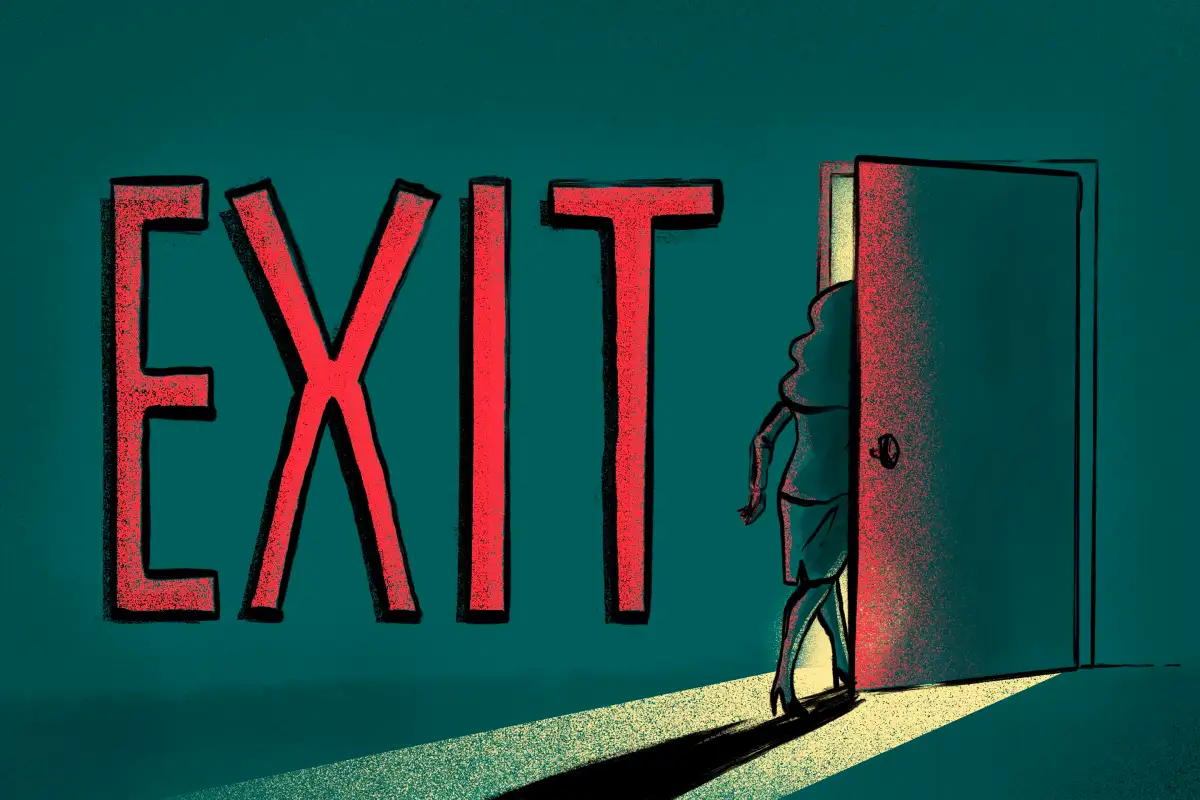
Quick answer: Cigna is leaving Arizona’s ACA Marketplace at the end of 2026, so every Cigna Marketplace member needs a new plan for 2027. Open Enrollment runs November 1, 2026 to January 15, 2027. Pick a plan by December 15 so coverage starts January 1 with no gap. Six insurers will sell 2027 Marketplace plans in Arizona, and their proposed rate changes vary widely, so compare before you choose. If you’re healthy and earn too much for tax credits, a private medically underwritten plan is also worth comparing.
Who this is for
- Anyone in Arizona with a Cigna plan bought through HealthCare.gov
- Cigna members who are self-employed, 1099 contractors, early retirees, or families on Marketplace coverage
- Healthy Cigna members who pay full price because their income is above the subsidy limit
- Friends and family helping a Cigna member figure out what to do
What’s happening with Cigna in Arizona
According to HealthInsurance.org’s Arizona Marketplace guide, Cigna is exiting the Arizona Marketplace at the end of 2026. That leaves six insurers offering 2027 Marketplace plans in Arizona, down from seven in 2026. Arizona had 357,144 Marketplace enrollees in 2026, and every Cigna member among them will need to choose a new plan.
The timing makes this harder. Arizona insurers have proposed a weighted average increase of about 29% before subsidies for 2027, the highest in the country, with individual insurers ranging from roughly 3.3% to 33.9% (HealthInsurance.org). In a year like this, which plan you move to matters as much as moving at all.
If you bought a Cigna individual plan directly from Cigna rather than through HealthCare.gov, contact Cigna to confirm what happens to your coverage. Don’t assume it continues.
What Cigna members should do, step by step
- Read your discontinuation notice. Cigna should send a notice saying your plan won’t continue in 2027. Keep it, because it confirms the date your coverage ends.
- Don’t wait to be moved. HealthCare.gov may place you in a plan from another insurer if you do nothing, but that plan may not include your doctors or fit your budget. Choose one yourself.
- List your doctors and prescriptions. Networks differ between insurers. Write down every doctor, specialist, hospital and medication you need covered.
- Update your 2027 income estimate. Tax credits are based on what you expect to earn in 2027. Starting with 2026 coverage, there’s no cap on paying back excess tax credits at tax time (HealthInsurance.org), so accuracy matters.
- Compare plans when shopping opens November 1. Look at premium after tax credits, deductible, out-of-pocket maximum, network and drug coverage. The out-of-pocket maximum can be as high as $12,000 for one person in 2027 (CMS).
- Enroll by December 15. That’s the deadline for January 1 coverage. If you enroll between December 16 and January 15, coverage starts February 1, which leaves a one-month gap after Cigna ends (HealthCare.gov).
- Pay your first premium. Coverage doesn’t start until it’s paid.
Timeline for Cigna members
| When | What to do |
|---|---|
| Now (October) | Find your Cigna notice, list doctors, hospitals and prescriptions, and estimate 2027 income |
| Late October | Book a comparison call so you’re ready on day one |
| November 1 | Shopping opens; compare every insurer’s plans |
| By December 15 | Enroll in a new plan so coverage starts January 1 |
| After enrolling | Pay the first premium and watch for your new ID card |
| January 1, 2027 | New coverage starts; Cigna Marketplace coverage has ended |
| January 15, 2027 | Open Enrollment closes (coverage chosen after Dec 15 starts Feb 1) |
How to compare Arizona’s remaining Marketplace insurers
Six insurers filed 2027 Marketplace plans in Arizona: Blue Cross Blue Shield of Arizona, UnitedHealthcare, Antidote Health, Oscar, Health Net and Imperial (HealthInsurance.org). Not every insurer sells in every county, so your list may be shorter.
Compare in this order:
- Network type. HMOs and EPOs generally cover only in-network care, and HMOs often require referrals. PPOs cover some out-of-network care at a higher cost. If you see specialists or travel often, network type matters as much as price.
- Your doctors and hospitals. Search each one in the insurer’s 2027 directory, then call the office to confirm.
- Your prescriptions. Check the 2027 drug list and the tier for each medication.
- Premium after tax credits. Your tax credit is the same on any Marketplace plan, so this is a fair comparison.
- Deductible and out-of-pocket maximum. A cheaper premium with a much higher deductible can cost more over the year.
When a private health plan can be the better move after Cigna
Most Cigna members, especially anyone receiving a tax credit, will be best served by another Marketplace plan. But Cigna’s exit is also a natural moment to ask a bigger question: is the Marketplace still the right place for you at all? For some people, a private medically underwritten plan is the stronger fit.
A private plan is worth a serious look if:
- You’re above the subsidy cliff. For 2027 coverage, tax credits generally end above 400% of the federal poverty level, about $63,840 for one person and $86,560 for a couple (HHS poverty guidelines). Above that line you pay full price for any Marketplace plan, so a private plan priced on your health may compare well if you’re healthy.
- You want a broader network. Some private plans use PPO networks with out-of-network coverage, which can matter if you travel, split time between states, or want access to specific specialists.
- Your income is unpredictable. Self-employed and 1099 earners can owe back excess Marketplace tax credits at tax time. Private plans don’t use tax credits, so there’s no reconciliation surprise.
- You missed the deadline or need coverage mid-year. Private plans can be bought year-round, not just during Open Enrollment.
Know the trade-offs before you switch:
- Health questions decide eligibility. Private plans can decline coverage or exclude pre-existing conditions.
- Not HSA-eligible. Private medically underwritten plans can’t be paired with a Health Savings Account.
- No tax credits. You give up any Marketplace subsidy you’d qualify for.
- Coverage differs. Private plans don’t have to cover all ACA essential health benefits, so read the exclusions.
Stay with the Marketplace if you get a tax credit, have a pre-existing condition, are pregnant or planning to be, or are in active treatment. ACA plans can’t exclude pre-existing conditions, and that protection is worth a lot.
Marketplace vs. private plan: side by side
| ACA Marketplace plan | Private medically underwritten plan | |
|---|---|---|
| When you can enroll | Open Enrollment (Nov 1 to Jan 15) or with a Special Enrollment Period | Year-round |
| Pre-existing conditions | Always covered | May be excluded or lead to a decline |
| Tax credits | Available based on income | Not available |
| HSA-eligible | Bronze and some other plans | No |
| Pricing | Based on age, location and tobacco use | Based on health, age and location |
| Network types | HMO, EPO and some PPO, depending on your county | PPO options are common |
| Best fit | Anyone with tax credits, health conditions or ongoing care | Healthy people paying full price who want flexibility |
Your 2027 options at a glance
| Option | When it fits | Keep in mind |
|---|---|---|
| New Marketplace plan from another insurer | Most Cigna members, especially with tax credits | Networks differ; check doctors and drugs |
| Same metal level, different insurer | Members happy with their current deductible level | Premiums vary a lot by insurer for 2027 |
| Lower metal level (e.g., Silver to Bronze) | Healthy members trying to offset the increase | Higher deductible; Bronze plans can be HSA-eligible |
| Private medically underwritten plan | Healthy members over the subsidy cliff | Not HSA-eligible; may exclude pre-existing conditions; enroll year-round |
| Employer or spouse’s plan | If you now have access at work | May make you ineligible for tax credits |
If you’re in the middle of treatment
Switching insurers mid-treatment takes extra care. If you’re pregnant, in cancer treatment, recovering from surgery or seeing a specialist regularly:
- Ask your doctors which 2027 Marketplace insurers they’ll be in-network with.
- Ask the new insurer about transition-of-care rules for ongoing treatment.
- Refill prescriptions before December 31 where your current coverage allows.
- Schedule procedures with the new insurer’s prior-authorization rules in mind.
This is a Marketplace decision, not a private-plan decision. Pre-existing condition protection matters most here.
Common mistakes when an insurer leaves
- Waiting for the notice to “handle itself.” Choose a plan yourself.
- Picking the cheapest premium without checking doctors. Networks are where most switching regrets happen.
- Using last year’s income. It changes your tax credit and your tax bill.
- Enrolling after December 15. Coverage starts February 1, leaving January uncovered.
- Forgetting the first payment. No payment, no coverage.
- Assuming the Marketplace is the only option. If you’re healthy and paying full price, compare private plans too.
What if you miss the December 15 deadline?
You can still enroll in a Marketplace plan through January 15, 2027, but coverage won’t start until February 1. Losing a plan because your insurer leaves generally counts as a loss of coverage, which may qualify you for a Special Enrollment Period. If you’re healthy, a private plan can also be bought outside Open Enrollment. The simplest path is still to choose by December 15.
Real-world scenarios
These are illustrative examples.
The subsidized freelancer (Marketplace). A Tucson freelancer earns $42,000 and has a Cigna Silver plan with a tax credit. She lists her doctors, finds two Silver plans from other insurers that include them, and picks the lower-cost one by December 15. Because her tax credit is tied to the benchmark plan, not to Cigna, she keeps her subsidy and her net premium stays manageable.
The early retirees over the cliff (private vs. Marketplace). A Scottsdale couple, both 62, live on about $95,000 a year, above the 2027 cliff for two. They’ll pay full price on any Marketplace plan, so they compare Marketplace plans with private plans they’re both healthy enough to qualify for, read the exclusions, and decide based on total cost and network.
The self-employed contractor who travels (private). A Phoenix contractor in his 30s works job sites in several states and earns above the subsidy limit. He’s healthy and wants a PPO network that works outside Arizona. He compares a full-price Marketplace PPO with a private PPO plan, confirms he’s comfortable without an HSA, and chooses based on network reach and price.
The family with a specialist (Marketplace). A Mesa family’s daughter sees a pediatric specialist. They filter 2027 Marketplace plans by that specialist first, then compare cost. Keeping the specialist narrows their choice to two insurers, and they stay in the Marketplace for its pre-existing condition protections.
What to bring to a comparison call
- Your Cigna discontinuation notice and current ID card
- Names of every doctor, specialist and hospital you use
- Your prescriptions and dosages
- Your 2027 income estimate for everyone in your tax household
- Birth dates for everyone who needs coverage
- Any job-based coverage offers you or your spouse have
With those in hand, a comparison takes about 20 minutes, and enrollment can happen on the same call.
Action checklist
- Find your Cigna discontinuation notice
- List every doctor, hospital and prescription
- Estimate your 2027 household income
- Decide whether to compare private plans too (healthy and over the cliff)
- Compare plans starting November 1
- Enroll by December 15 for January 1 coverage
- Pay the first premium
- Keep your current coverage until the new plan is confirmed
Frequently asked questions
Is Cigna leaving the Arizona Marketplace? Yes. According to HealthInsurance.org, Cigna is exiting Arizona’s ACA Marketplace at the end of 2026. Cigna members will need a new plan for 2027.
What happens to my Cigna plan on January 1, 2027? Your Cigna Marketplace plan won’t continue into 2027. You need to choose a new plan to stay covered.
When do I need to pick a new plan? Open Enrollment runs November 1, 2026 to January 15, 2027. Choose by December 15 for coverage that starts January 1 with no gap.
Will my tax credit carry over to a new insurer? Yes. Your tax credit is based on your income and the benchmark Silver plan in your area, not your insurer, so you’ll get the credit you qualify for on any Marketplace plan.
Can I keep my doctors after Cigna leaves? It depends on the new plan’s network. Search each doctor in the insurer’s 2027 directory and call the office to confirm before you enroll.
Is a private health plan better than a Marketplace plan after Cigna leaves? It can be for healthy people whose income is above the subsidy limit, because they pay full price for Marketplace coverage anyway. Private plans can be bought year-round and may offer PPO networks, but they aren’t HSA-eligible and can exclude pre-existing conditions. If you get a tax credit or have ongoing health needs, a Marketplace plan is usually the better choice.
What if I miss the December 15 deadline? You can still enroll in a Marketplace plan through January 15, but coverage starts February 1. Losing Cigna coverage may also qualify you for a Special Enrollment Period, and healthy applicants can buy a private plan year-round.
Can a broker help me switch from Cigna, and does it cost anything? Yes. A licensed broker can compare every Arizona Marketplace plan, and private options if they fit, at no cost to you.
Switching from Cigna? Let’s do it together
Cigna member? I’ll compare every 2027 Arizona Marketplace plan, plus private options if you qualify, against your doctors, prescriptions and budget, and get you enrolled before December 15. Free, no obligation.
Derek Greenlee, Greenlee Health Insurance 8687 East Vía de Ventura #210, Scottsdale, AZ 85258 Phone: 480-375-1652 Email: derek@greenleehealthinsurance.com Website: greenleehealthinsurance.com
Related reading
- Arizona’s proposed 29% health insurance increase for 2027
- Why your Arizona renewal could be up 3% or 34%
- The 2027 ACA subsidy cliff explained
- Open Enrollment 2027 in Arizona: dates and deadlines
- Health insurance for high earners above the subsidy cliff